by Justin Marquis
We live in an economic system where two things are true. We have the capability to house and feed everyone, but we do not. Indeed, the system we live within, capitalism, seems almost by design to keep people mired in poverty and to leave a few absolutely destitute. When people find themselves in those helpless and hopeless conditions, the ideology of capitalism says that they deserve their lot. They weren’t skilled enough or productive enough or hardworking enough. They weren’t supporting the system, and so the system wouldn’t support them. We have the capability to house and feed everyone as a society and we do not, and that is by design.
It’s a moral issue. It’s a question of whether you think this way of doing things, of producing profit off the back of another human being while not attending to their needs and desires, is at all morally acceptable. I have no patience for political debates and hemming and hawing questions, which is probably why I am not a philosopher. The only important question that remains an open one for me is the “what is to be done?” question. The end goal, the ideal of society, is, without question, a society built around the social good for all. By social good I mean nothing more than everyone gets enough to eat, housing, education (if they want it), healthcare (when they need it), transportation, and leisure time in a way that is the most sustainable for the planet and each person’s autonomy and health. What precisely that looks like is an open question, sure. But it’s clear this ain’t it! How we get there is certainly an open question, but it certainly isn’t way we’re going now; that’s clear.
When one has that kind of moral clarity, it’s hard to know what to do with it in public. One learns to only trust people one gets to know. I have to discover by getting to know someone how much of my political views I can share with them. For some reason, my political positions are offensive to some, and the people who are offended by my political views are even more offended when I won’t debate my politics with them or entertain their arguments. I have inclination to hear about why someone who isn’t working deserves to starve or be homeless. No inclination whatsoever. I have no desire to hear about how government handouts make people lazy. No desire whatsoever. It’s not something I’m interested in giving the time of day to, in the same way I’m not interested in hearing arguments for eugenics or apartheid.
For some reason, all of this makes me a radical leftist. I am happy to take on that appellation. But what is really so radical about the idea that making profit off another person’s work is wrong? That people denied housing, food, and healthcare is wrong? That an economic system that is destroying the planet is wrong? I can’t convince anyone of these things, and I really have no desire to. When someone doesn’t believe these things, I wonder if they weren’t loved enough as a child and pity them. I hate feeling pity, so I leave our political differences at that and walk away.
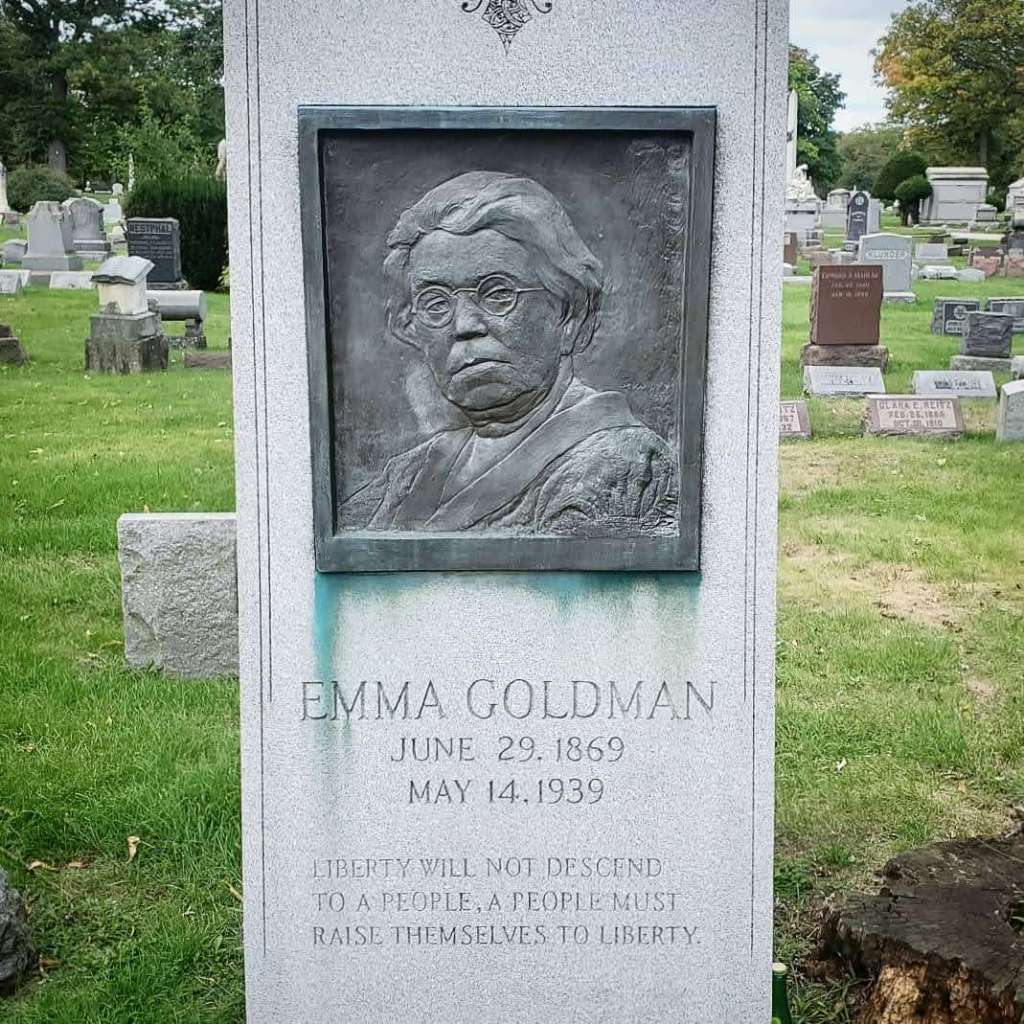
I’m certainly not a political philosopher or really interested in doing politics, not in any traditional sense. The closest I want to be to the political is working with others to create spaces that aren’t built on profiting off another’s labor and the equal access of goods for all. I’m grateful that my two jobs right now are spaces as far outside the system of profit and exploitation as one gets in our hyper-capitalistic culture. Creating community based on other forms of relating to each other besides profit and loss, where social goods are shared without respect to economic class or social position, this is the political for me. We need each other to live good lives and that happens in communal spaces where the good is egalitarian and open to all. Ask me why the public library is the most anarchist institution in America, if we ever talk. That’s the politics I’ll talk about.
 Dionysus on a Bike
Leave a comment